
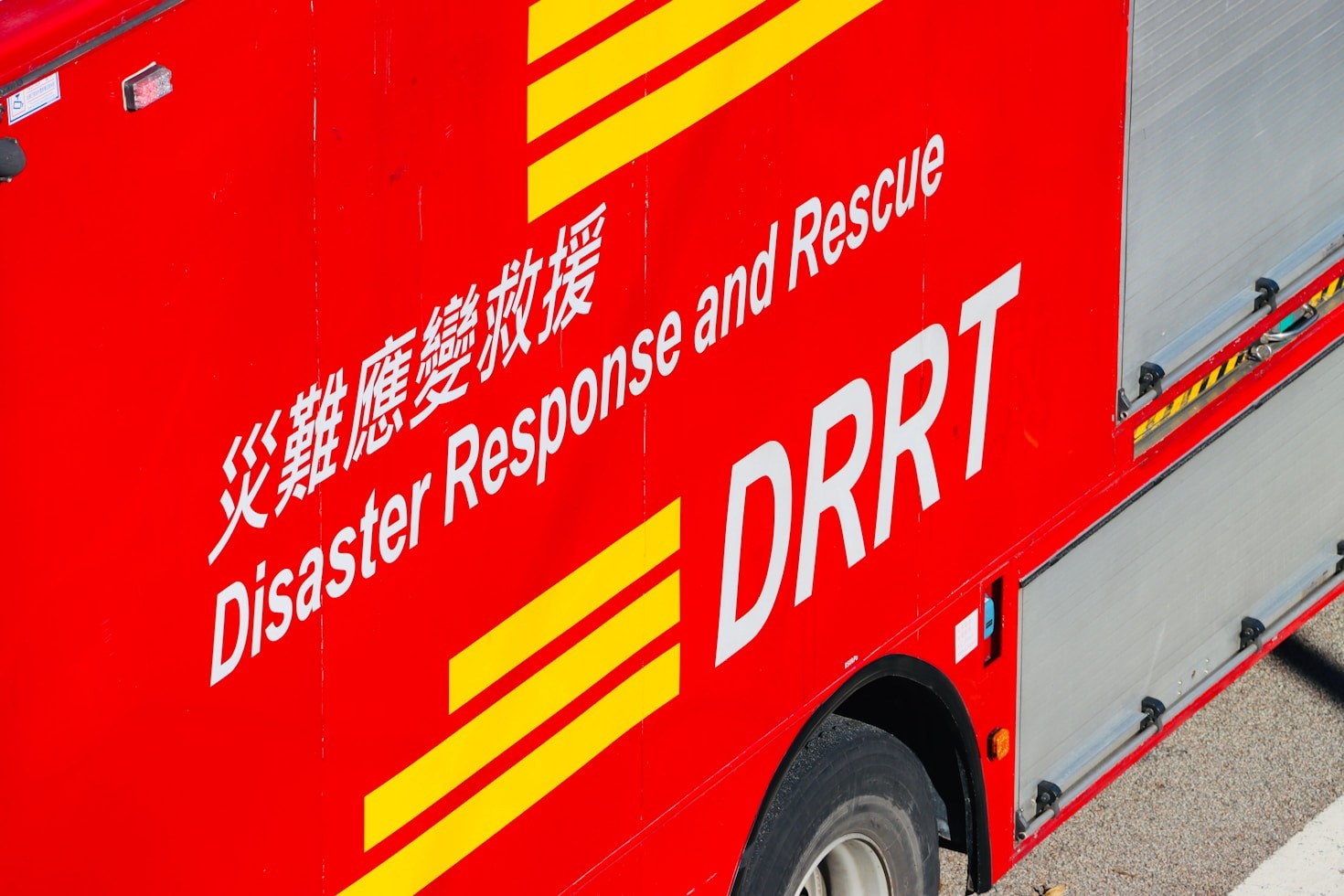
In moments of crisis, there are always two types of people: those who watch, and those who act. The difference between a bystander and a hero is not superhuman strength or specialized training, but the willingness to respond. Everyday situations, from minor accidents to life-threatening emergencies, present opportunities for ordinary individuals to make extraordinary impacts. The question is: what inspires someone to step forward instead of standing still?

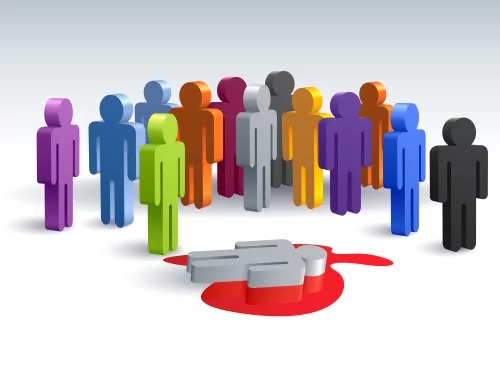
The Psychology of the Bystander Effect
The “bystander effect” is a well-documented social phenomenon in which individuals are less likely to help a victim when others are present. Responsibility becomes diffused, and people assume someone else will intervene. Fear of doing the wrong thing, social pressure, or uncertainty can further paralyze action.
However, understanding this effect is the first step toward overcoming it. Awareness transforms hesitation into intention. When individuals recognize that inaction is a choice, they are more likely to take responsibility.
What Turns a Bystander into a Hero?
Heroism is often framed as rare and dramatic, but in reality, it is built on small, decisive actions. Several key factors can shift someone from passive observer to active responder:
- Preparedness: Basic knowledge of first aid or emergency protocols increases confidence.
- Empathy: Feeling a personal connection to others encourages action.
- Leadership: One person stepping up often inspires others to follow.
- Clarity: Knowing what to do eliminates hesitation.
These elements show that heroism is not innate, but that it’s cultivated.
The Power of Education and Training
Programs that teach CPR, first aid, and emergency response play a crucial role in empowering individuals. When people feel equipped with the right skills, they are far more likely to act. Even simple training—like learning how to call emergency services effectively or assist someone in distress—can save lives.
Schools, communities, and organizations can foster this readiness by integrating practical response training into everyday learning. The more normalized these skills become, the more instinctive helping behavior will be.
Real-Life Impact: Small Actions, Big Change
Not all heroic acts make headlines. Moments where quick thinking and courage matter most: a student helping a classmate during a medical emergency, a passerby assisting after a fall, or someone speaking up in a dangerous situation.
What unites these actions is not perfection, but effort. Even imperfect help is often better than none. Taking initiative can stabilize a situation, provide comfort, and buy critical time until professional help arrives.
Creating a Culture of Action
Transforming bystanders into heroes requires a cultural shift. Communities must encourage responsibility rather than passive observation. This can be achieved through:
- Promoting awareness of the bystander effect
- Encouraging individuals to take ownership in emergencies
- Sharing stories of everyday heroism
- Making response training widely accessible
When action becomes the norm, hesitation fades.
Conclusion
Heroism is not reserved for a select few—it is a choice available to everyone. By understanding the barriers to action and equipping individuals with the tools and confidence to respond, society can turn moments of crisis into opportunities for courage. The next time you witness a situation that requires help, remember: you don’t have to be perfect, you just have to act.
Sources
Centers for Disease Control and Prevention (CDC). Emergency Response and Preparedness Resources.
Darley, J. M., & Latané, B. (1968). Bystander intervention in emergencies: Diffusion of responsibility. Journal of Personality and Social Psychology.
American Red Cross. First Aid/CPR/AED Participant’s Manual.
National Safety Council. Emergency Preparedness and Response Guidelines.
Cherry, K. (2023). The Bystander Effect and Why People Don’t Help. Verywell Mind.
Leave a Reply